If you spend any amount of time around parents of toddlers, you will quickly learn that shoes are surprisingly controversial. One minute you are buying the cutest pair of tiny trainers you can find, and the next you are deep in a conversation about “barefoot shoes” and natural foot development.
The truth is that both barefoot and traditional kids’ shoes are designed with good intentions. They simply approach children’s foot development in different ways. Understanding the difference can make it much easier to decide what works best for your child, your lifestyle, and the daily chaos of parenting.
We may earn commission from links on this page, but we only recommend products we love.
What Are Barefoot Shoes?
Barefoot shoes are designed to replicate the feeling of walking barefoot while still protecting the foot from rough ground. The idea is simple. Let the foot move the way it naturally wants to.
Most barefoot shoes share several features that set them apart from traditional footwear.
They have thin soles that allow children to feel the ground beneath their feet. The soles are highly flexible, meaning the shoe bends easily when the child walks or runs. They also have a wide toe box so toes can spread naturally rather than being squeezed together.
This design supports natural foot movement and encourages strength and balance as children grow.
For toddlers learning to walk, this freedom of movement can be particularly beneficial because it allows them to develop coordination and stability through natural feedback from the ground.
What Defines Traditional Kids’ Shoes?
Traditional children’s shoes look more like miniature versions of adult trainers or school shoes. They often include thicker cushioning, a more rigid structure, and reinforced soles designed to absorb impact.
These shoes are typically built with durability in mind. They protect the foot during active play and hold up well against daily wear and tear.
For many families, traditional shoes remain the practical choice for school, sports, and long days outdoors on pavements or playgrounds.
And if your child spends the entire afternoon sprinting across the school yard or kicking a football around the park, a sturdy shoe certainly has its advantages.
Barefoot vs Traditional Shoes: The Real Difference
The biggest difference between barefoot and traditional kids’ shoes comes down to philosophy.
Barefoot footwear focuses on natural movement. The flexible design allows the foot to move freely, strengthening muscles and improving balance.
Traditional shoes focus on protection and structure. They cushion the foot and provide stability during high impact activities.
Neither approach is universally right or wrong. Many families find that using a combination works best.
Children might go barefoot at home, wear flexible barefoot shoes for everyday play, and use more structured shoes for school uniforms or sports activities.
Top Barefoot Shoe Brands in the UK for Kids
If you are curious about barefoot footwear, the UK has a growing number of brands offering options for children. These companies focus on flexible materials, wide toe boxes, and lightweight designs that support natural foot movement.
Vivobarefoot
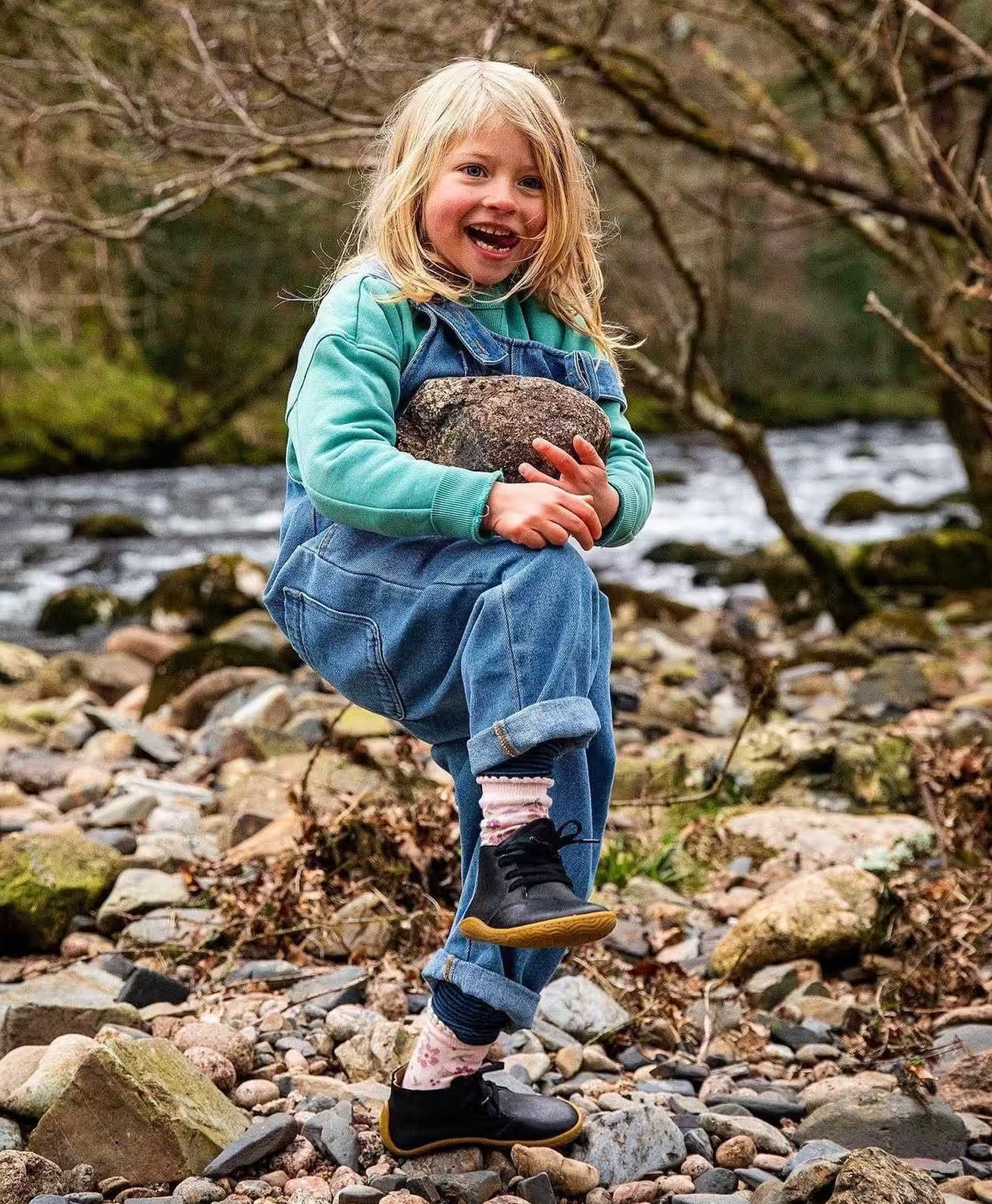
Vivobarefoot is one of the most recognised barefoot shoe brands in the UK. Their children’s range includes school shoes, trainers, and outdoor footwear designed to give growing feet plenty of space and flexibility.
The brand is known for extremely thin soles and durable materials that allow kids to feel the ground beneath them while still staying protected.
Start-Rite

Start-Rite has been making children’s shoes for over two centuries. While traditionally known for structured footwear, the brand now offers lightweight and flexible options for babies and early walkers that align more closely with barefoot principles.
Their pre walker styles are particularly popular with parents of toddlers who are just starting to explore the world on two feet.
BGreater Shoes

BGreater Shoes is a newer brand focused specifically on affordable barefoot shoes for children. The company was created with the goal of making foot shaped footwear more accessible for families who want minimalist shoes without the premium price tag.
Parents often appreciate the wide fit and simple designs that prioritise comfort and natural movement.
Young Soles
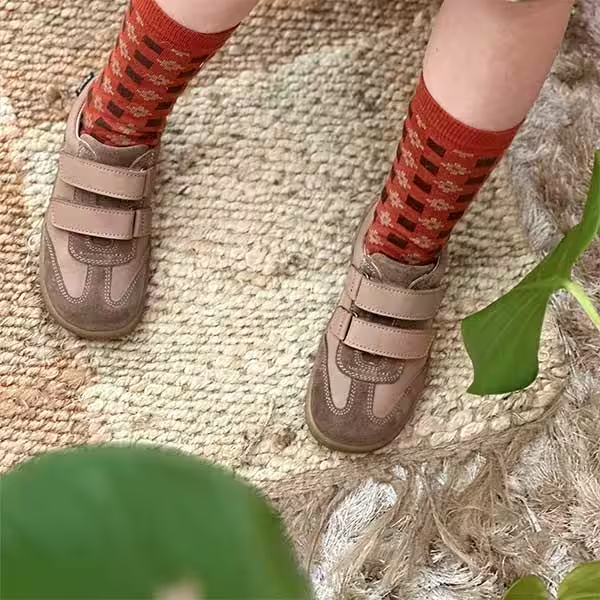
Young Soles combines classic British style with flexible barefoot inspired construction. Their shoes often feature soft leather, flat soles, and a foot shaped design that supports natural movement while still looking smart enough for school uniforms.
Sautille

One example of a brand designed with barefoot philosophy in mind is Sautille. Features such as ultra-flexible soles, a wide toe box that allows toes to spread naturally, and a lightweight design help support natural movement during early walking stages. The shoes are also designed to be practical for parents, with adjustable hook-and-loop straps and breathable materials that make them easy to put on and comfortable for everyday wear.
Bobux

Bobux is another well known option among parents looking for flexible footwear. Many of their designs use lightweight materials and flexible soles created with guidance from paediatric specialists.
How to Choose the Right Shoe for Your Child
With so many options available, the best approach is often a practical one.
Look for shoes that fit comfortably and leave space for toes to move freely. Flexible soles are usually helpful for younger children who are still developing balance and coordination.
At the same time, durability matters. If your child spends most of their day climbing, running, and exploring outdoors, a sturdy shoe that can survive muddy parks and playground slides is just as important.
Many parents discover that a mix of barefoot and traditional styles works best. Flexible shoes for everyday movement and structured shoes for more demanding activities.
Because in the end, the goal is not to win a footwear debate. It is simply to support growing feet while letting kids run, climb, jump, and explore the world around them.
And if those shoes stay on their feet for more than ten minutes, that is already a parenting win.

Leave a Reply