If you have ever tried to hold a conversation with a toddler, you already know it can swing from delightful to completely baffling in a matter of seconds. One moment you are discussing dinosaurs, the next you are being asked why socks exist. Beneath all of that unpredictability sits something powerful. Toddlers are wired for curiosity, and the questions we ask them can shape how they think, imagine, and learn about the world.
This is where intentional conversation becomes a parenting superpower. The right questions do more than fill silence. They build language, confidence, emotional awareness, and problem solving skills. When used regularly, they turn everyday moments into meaningful learning opportunities.
Why Questions Matter More Than Answers
It is tempting to focus on teaching toddlers the correct answer. Colours, numbers, animal names, and all the basics. While those are important, the real magic happens when children are encouraged to think rather than simply respond.
Open ended questions invite exploration. Instead of asking “What colour is this?” you might try “What does this colour remind you of?” Suddenly, the conversation becomes richer. You are no longer testing knowledge. You are nurturing imagination.
According to child development guidance from organisations like the National Literacy Trust, early conversations play a vital role in language development and later academic success. The more varied and meaningful those conversations are, the stronger the foundation becomes.
Turning Everyday Moments into Learning Opportunities
You do not need flashcards or structured lessons to encourage learning. Some of the best conversations happen in the most ordinary moments.
Picture a trip to the supermarket. Instead of rushing through the aisles, pause and ask your toddler what they think you should cook for dinner. Ask why they chose carrots instead of broccoli. Ask what they think will happen when food is cooked.
Bath time is another hidden gem. Water play naturally invites questions about floating, sinking, pouring, and temperature. A simple “What do you think will happen if we fill this cup all the way up?” can spark a mini science experiment.
Even bedtime offers a chance to reflect. Asking about their favourite part of the day or what made them laugh helps toddlers begin to understand their own experiences and emotions.
Questions That Spark Curiosity
Toddlers are natural explorers, but sometimes they need a gentle nudge to look a little closer. Questions that encourage curiosity help them notice details and think about how things work.
You might ask what they think clouds are made of, or why leaves change colour. When they are playing with toys, ask how something works or what might happen if they use it in a different way.
These types of questions do not need perfect answers. In fact, the uncertainty is part of the fun. You are showing your child that wondering is just as important as knowing.
Questions That Encourage Creativity
Creativity thrives when there is no single correct answer. Toddlers, thankfully, excel in this space.
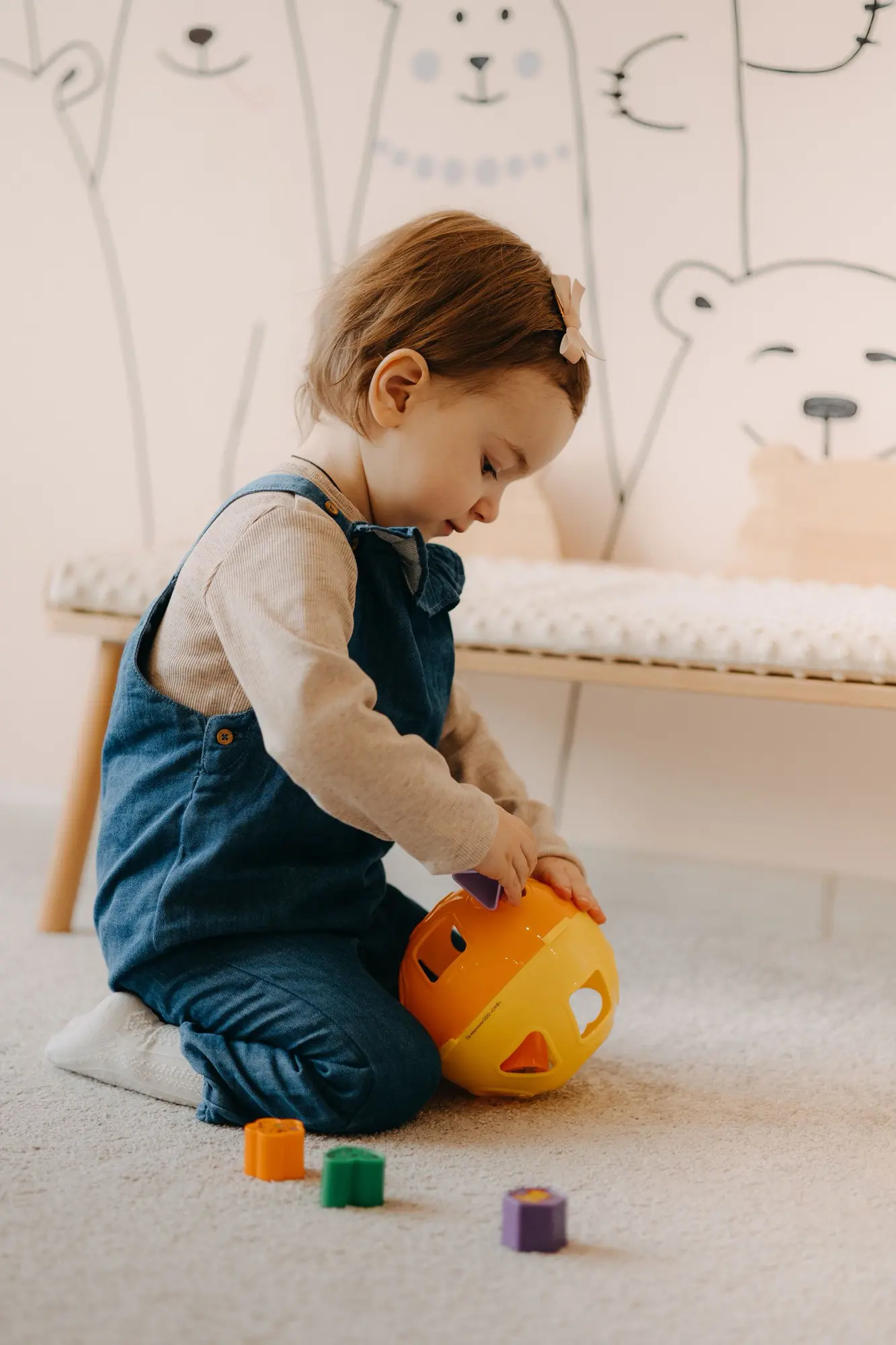
During playtime, try asking what story is happening with their toys. Who is the hero? What is the problem? How will they solve it? You may be surprised at how quickly a simple question turns into an elaborate narrative.
Art time offers another opportunity. Instead of asking what they are drawing, ask them to tell you about their picture. This subtle shift invites storytelling rather than labelling.
For inspiration, resources like Zero to Three often highlight how imaginative play supports brain development and emotional growth.
Questions That Build Emotional Intelligence
Toddlers feel big emotions but often lack the language to express them. Gentle, thoughtful questions can help bridge that gap.
When your child is upset, instead of immediately trying to fix the situation, ask what happened and how it made them feel. You might ask what could make them feel better or what they would like to do next.
When they are happy, curious, or excited, lean into those moments too. Ask what made them feel that way. This helps toddlers recognise and name their emotions, which is a key step in developing empathy and self awareness.
Questions That Strengthen Connection
Beyond learning and development, questions are a powerful way to connect. They show your child that you are interested in their thoughts and ideas, even when those ideas involve invisible dragons or talking bananas.
Consistency matters more than perfection. You do not need a list of perfectly crafted questions. What matters is your presence, your curiosity, and your willingness to listen.
A toddler who feels heard is more likely to keep sharing. And those small daily conversations quietly build a strong, trusting relationship over time.
When Silence Is Just as Important
Not every question needs an immediate answer. Toddlers often take time to process what they have heard. Giving them space to think teaches patience and respect for their pace.
Sometimes, the most meaningful response you can offer is simply waiting. In that pause, children learn that their thoughts matter enough to be given time.
Making It a Natural Part of Your Day
The idea is not to turn every moment into a lesson. It is to weave curiosity into your daily rhythm. Ask questions while tying shoes, while walking in the park, while stacking blocks on the living room floor.
Over time, you will notice a shift. Your toddler may begin asking more questions of their own. They may start making connections, telling stories, and expressing feelings more clearly.
And one day, in the middle of a completely ordinary moment, you will realise that those small conversations have shaped a confident, curious little thinker.





Leave a Reply