One of the greatest joys of becoming a parent is watching your baby grow from a sleepy newborn into a curious little explorer. One day they are happily snoozing in your arms and the next they are rolling across the living room floor with surprising determination. The first year is packed with exciting moments, tiny victories, and memories that stay with you forever.
At the same time, it is completely normal to wonder whether your baby is developing as expected. Every smile, giggle, and wobble can leave parents searching for reassurance. The truth is that every child develops at their own pace, but understanding the key baby milestones to watch for in your baby’s first year can help you celebrate progress while recognising when it may be worth seeking advice.
Rather than treating milestones as a strict timetable, think of them as helpful guideposts. Some babies reach them a little earlier, others a little later, but together they paint a picture of healthy growth and development.
Birth to Three Months
The newborn stage may feel like an endless cycle of feeding, changing nappies, and grabbing sleep whenever you can, but your baby is already learning at an astonishing rate.
During the first few weeks, babies begin focusing on faces from a short distance and are often comforted by familiar voices. By around two months, many babies reward their parents with their first genuine social smile. This exciting milestone shows they are beginning to engage with the people around them rather than simply reacting by instinct.
Physical development is also gathering pace. Your baby will gradually gain better control of their head and neck, especially during tummy time. Their movements become less jerky as they begin stretching, kicking, and opening their hands more often.
You may notice cooing sounds, little squeals, and attempts to respond when you speak. These early conversations are the building blocks of language development.
The NHS guide to baby development explains what parents can generally expect during these early months.
Four to Six Months Brings New Skills Every Week
This stage often feels like a period of constant change because new abilities seem to appear almost daily.
Many babies roll from tummy to back between four and six months before learning to roll both ways. They usually become much stronger during tummy time and may begin pushing themselves up on straight arms.
Reaching for toys becomes far more accurate as hand to eye coordination develops. Babies enjoy shaking rattles, grabbing soft toys, and exploring almost everything by putting it in their mouths.
Social skills continue to flourish. Laughter becomes more frequent, babies recognise familiar faces, and many begin responding to their own name. You might also notice them copying facial expressions or making different sounds to attract your attention.
Some babies begin showing signs of readiness for solid foods around six months, although milk remains their main source of nutrition during the first year.
Seven to Nine Months Is When Curiosity Takes Over
This is often the stage where babies seem determined to investigate every corner of the house.
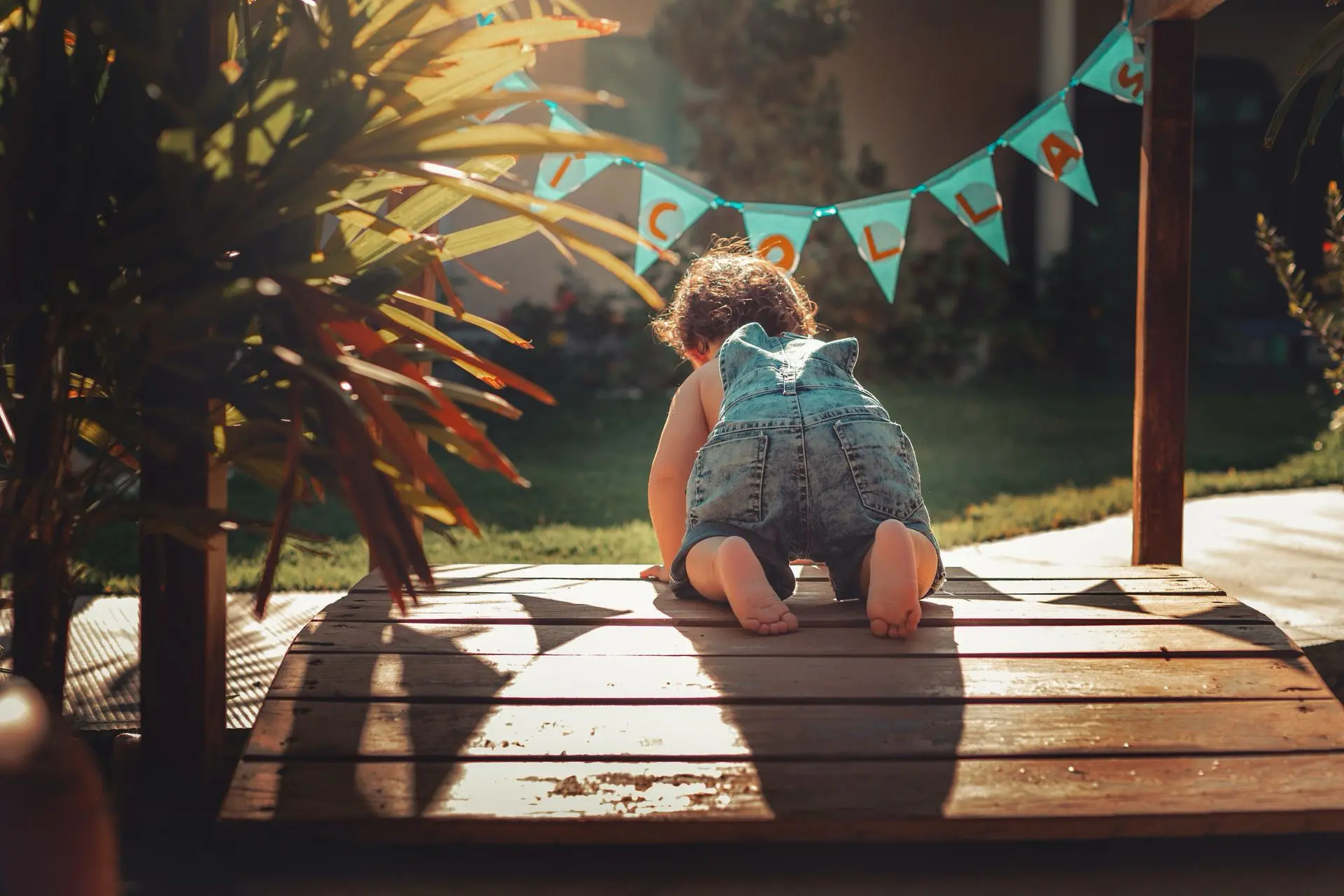
Most babies can sit without support by this point, giving them a whole new view of the world. Many begin crawling, although some prefer shuffling, rolling, or moving backwards before they work out how to move forwards. Others skip crawling entirely and later go straight to walking.
Their hands become much more skilful. Passing objects from one hand to the other, banging toys together, and developing the pincer grasp using the thumb and forefinger are all common milestones during this stage.
Communication also takes a leap forward. Babbling becomes more varied with sounds such as mama, dada, baba, and gaga repeated enthusiastically. Babies often understand familiar words including their own name and simple phrases such as no or come here, even if they cannot respond with words yet.
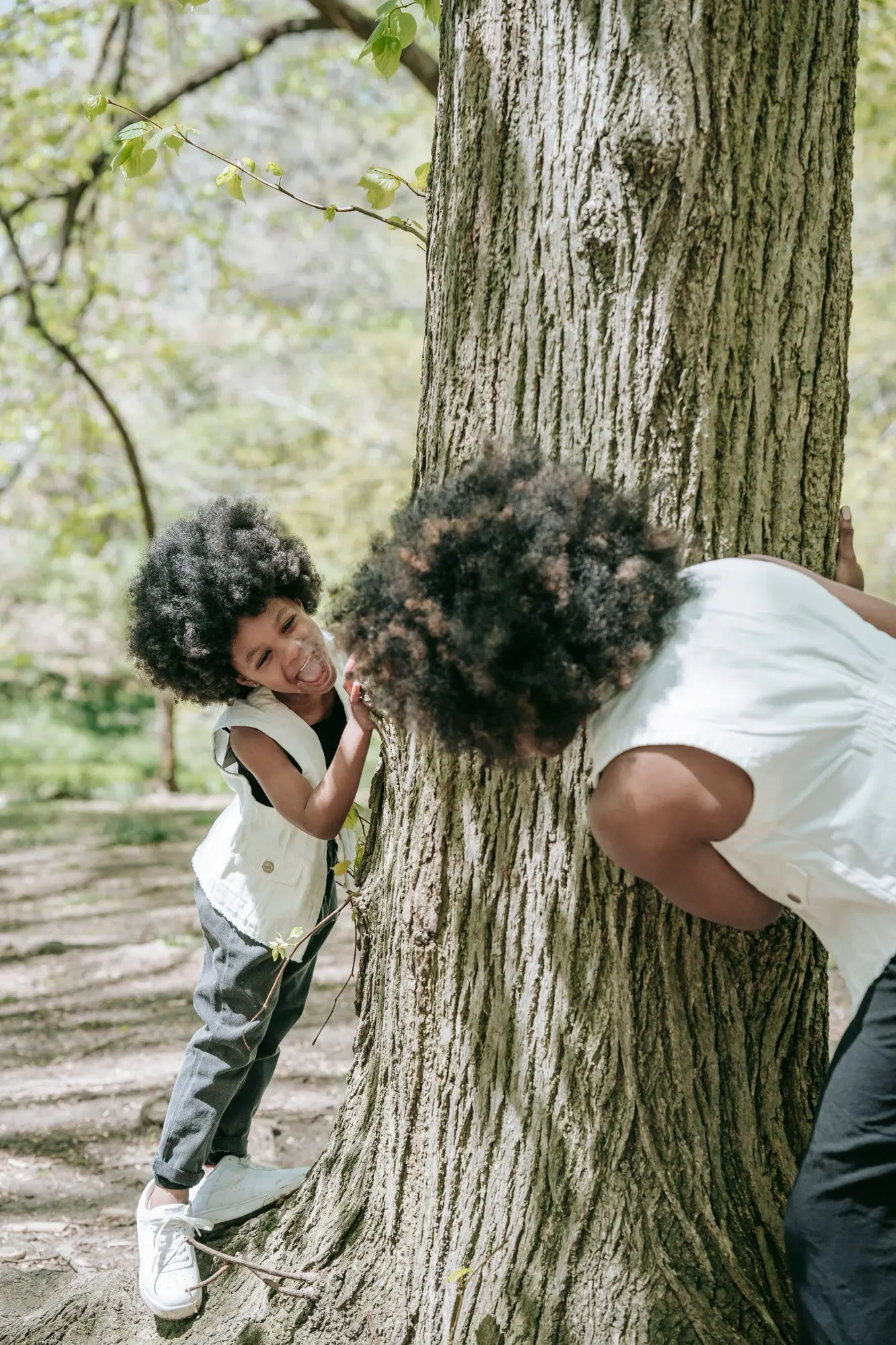
Games like peekaboo become favourites because babies are beginning to understand that people and objects still exist even when they cannot see them. This concept, known as object permanence, is an important part of cognitive development.
Ten to Twelve Months Brings Growing Independence
As the first birthday approaches, babies become increasingly confident and determined.
Many pull themselves up using furniture before learning to cruise along sofas or tables while holding on. Some take their first independent steps before their first birthday, while others wait until well into their second year. Both are perfectly healthy patterns of development.
Fine motor skills continue improving as babies become skilled at picking up small pieces of food using finger and thumb. They may enjoy stacking blocks, placing objects into containers, and turning the pages of sturdy board books.
Many babies begin using simple gestures such as waving goodbye, clapping, pointing at objects, or lifting their arms to be picked up. These actions are valuable forms of communication before spoken language develops further.
By twelve months, many babies say one or two recognisable words alongside mama or dada and can often understand simple instructions such as give me the ball or where is teddy.
When Should Parents Be Concerned?
It is easy to compare your baby with others, especially when social media seems full of babies reaching milestones unusually early. In reality, healthy development covers a wide range.
However, it is worth speaking with your health visitor or doctor if your baby seems to lose skills they previously had, rarely responds to sounds, shows little interest in people, has significant difficulty controlling their head after several months, or is not attempting any movement such as rolling, sitting, or reaching as expected. These situations do not necessarily indicate a serious problem, but they are worth discussing with a healthcare professional.
Supporting Your Baby’s Development Every Day
The best activities for encouraging healthy development are often the simplest ones.
Talking during everyday routines helps build language skills long before your baby says their first word. Reading books together introduces rhythm and vocabulary while creating precious bonding time. Tummy time strengthens muscles needed for rolling, sitting, crawling, and eventually walking. Singing songs, playing simple games, and allowing safe opportunities to explore all help your baby develop naturally.
Most importantly, remember that your love, attention, and responsiveness matter far more than expensive toys or structured activities.
Celebrate Progress Rather Than Perfection
The first year is filled with unforgettable milestones, but some of the most treasured memories never appear on any developmental chart. The sleepy cuddles after an afternoon nap, the delighted grin when they spot you across the room, and the tiny hand reaching for yours often become the moments parents remember most.
Knowing the key baby milestones to watch for in your baby’s first year can give you confidence and reassurance, but every baby’s journey is unique. Celebrate each new achievement, trust your instincts, and enjoy the wonderful adventure of watching your little one grow into their own remarkable person.



Leave a Reply