Toddlers have a remarkable way of reminding us that the smallest moments often carry the biggest meaning. One minute you are rushing to get out the door, the next you are being handed a toy phone with a very serious request to “take the call.” To us, it might feel like a distraction. To them, it is connection. It is inclusion. And it matters more than we often realise.
Helping your toddler feel included every day does not require grand gestures or perfectly planned activities. In fact, the magic tends to live in the ordinary. It is woven into daily routines, small choices, and the way we invite them into our world rather than keeping them at the edges of it.
Why Feeling Included Matters More Than You Think
A toddler’s sense of belonging begins at home. When they feel included, they are not just entertained or occupied. They are learning that they are valued, capable, and part of something bigger than themselves.
Research around attachment theory shows that children thrive when they feel securely connected to their caregivers. Inclusion feeds that connection. It tells your toddler, in ways words often cannot, that they matter.
You might notice it in small shifts. A child who feels included is more likely to cooperate, to express themselves, and to explore with confidence. It is not about creating a perfect environment. It is about creating a welcoming one.
Let Them In On the Everyday Moments
It is easy to think that toddlers need constant entertainment. In reality, what they crave most is involvement. Everyday tasks are full of opportunities for connection.
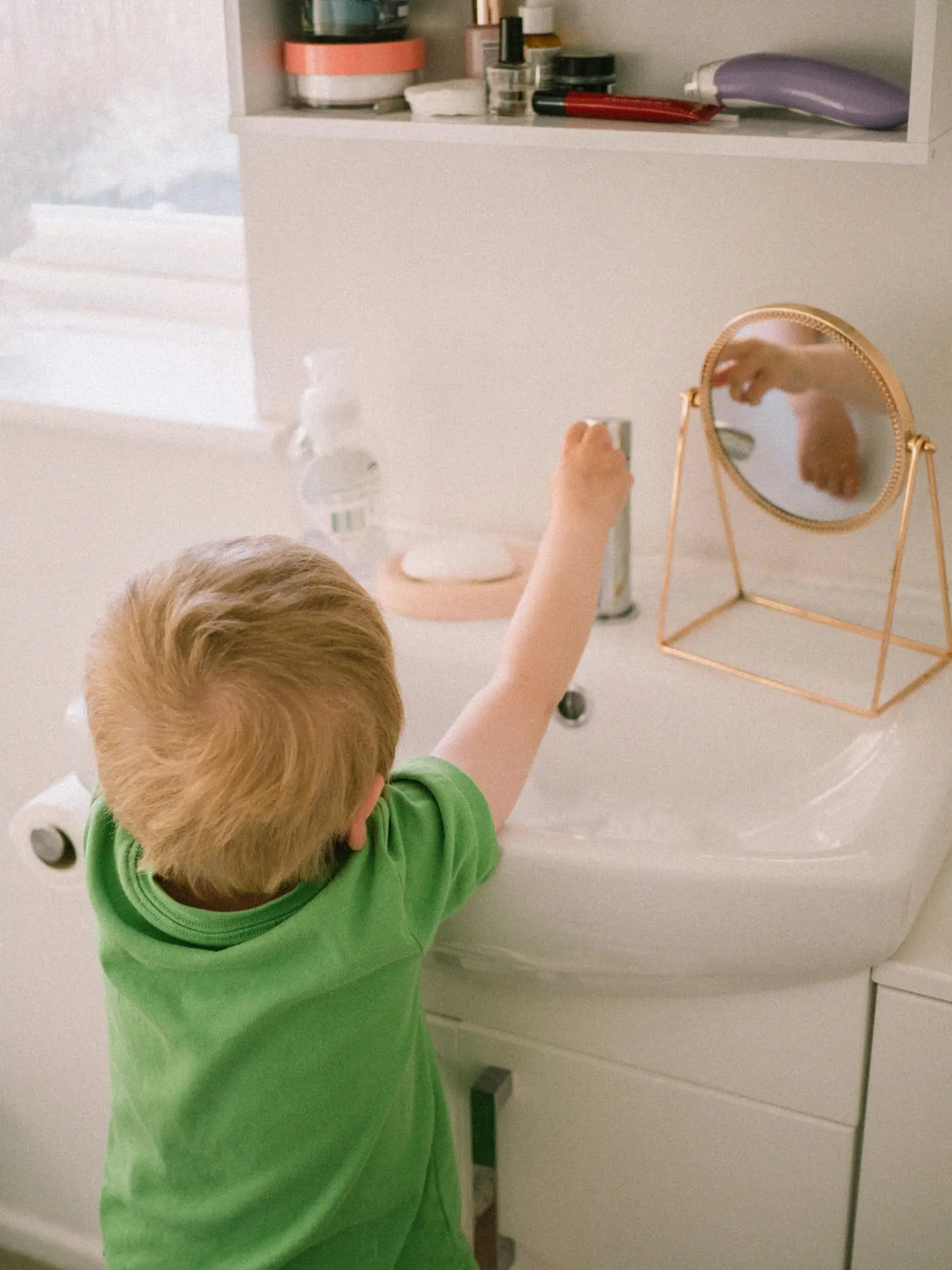
When you are cooking, invite them to stand nearby and stir something simple. Give them a wooden spoon and a bowl and suddenly they are not just watching, they are helping. When you are folding laundry, let them pass you socks or attempt their own enthusiastic version of folding.
These moments may take a little longer, and they may not be particularly efficient, but they build a sense of purpose. Your toddler begins to see themselves as someone who contributes, not just someone who is looked after.
Offer Choices That Actually Matter
Toddlers are at that delightful and sometimes exhausting stage where independence is blossoming. One of the easiest ways to help them feel included is to give them a voice in small decisions.
Instead of deciding everything for them, try offering simple choices. Ask whether they would like the red cup or the blue one. Let them choose between two outfits. Invite their opinion on which book to read before bed.
It is not about handing over control of the entire day. It is about showing them that their preferences count. Over time, this builds confidence and reduces those power struggles that seem to appear out of nowhere.
Make Space for Their Feelings
Inclusion is not only about activities and choices. It is also about emotional presence. Toddlers experience big feelings in very small bodies, and those feelings deserve to be acknowledged.
When your toddler is upset, resist the urge to quickly distract or fix everything. Instead, get down to their level and listen. You might say, “I can see you are really upset that we had to leave the park.” In that moment, you are including them in the emotional reality of the situation rather than brushing it aside.
Approaches inspired by gentle parenting encourage this kind of connection. It does not mean there are no boundaries. It simply means those boundaries are delivered with empathy and respect.
Create Little Rituals That Belong to Them
Children love rituals because they create a sense of predictability and belonging. These do not need to be elaborate. In fact, the simpler they are, the more sustainable they become.
It might be a special handshake before nursery drop off or a short story you tell together at bedtime. Perhaps it is letting them press the button on the washing machine or turn off the lights at night.
These repeated moments become anchors in their day. They signal that your toddler has a place in the rhythm of family life that is uniquely theirs.
Slow Down Just Enough to Notice Them
Modern life has a way of pulling our attention in a hundred different directions. Phones buzz, to do lists grow, and time seems to move faster than we would like. In the middle of it all, toddlers are quietly asking to be seen.
Inclusion often comes down to presence. It is in the way you pause to listen to their story about a ladybird they spotted. It is in the eye contact you offer when they are trying to show you something important, even if it is just a slightly sticky leaf.
You do not need to be available every second of the day. That is not realistic. But those small pockets of undivided attention can make a world of difference.
Let Them Be Part of Your World Too
We often create a separate “kid world” filled with toys, games, and activities. While those are important, toddlers also benefit from being included in the adult world in age appropriate ways.
Take them along for everyday errands and talk to them about what you are doing. Explain why you are choosing certain items at the shop or what happens when you post a letter. Even if they do not understand every word, they are absorbing language, context, and a sense of belonging.
You might be surprised at how much they enjoy simply being with you as you go about your day.
When It Feels Like It Is Not Working
Some days, despite your best efforts, your toddler may still seem clingy, frustrated, or out of sorts. That does not mean you are doing anything wrong.
Toddlers are learning, growing, and navigating a world that often feels overwhelming. Inclusion is not a quick fix or a guaranteed way to avoid meltdowns. It is a long term investment in your relationship with them.
On those tougher days, it can help to remind yourself that connection is built over time. Each small moment you share adds to a foundation that will support them as they grow.
The Power of Small, Everyday Efforts
Helping your toddler feel included every day is less about doing more and more about doing things differently. It is about inviting them in, even when it would be quicker to carry on alone, listening, even when the story is long and a little confusing, and recognising that, in their eyes, being included is everything.
Years from now, your toddler will not remember whether the laundry was perfectly folded or dinner was on time. But they will carry with them the feeling of being part of your world. And that is something that lasts far beyond these early years.





Leave a Reply