Walk into a Montessori classroom and you might feel as though you’ve stepped into a calm, purposeful little world. Children move freely, selecting activities that genuinely interest them. There’s a quiet hum of concentration rather than the usual classroom chatter. And instead of a teacher directing every moment, you’ll notice gentle guidance, observation, and a deep respect for each child’s pace.
So what exactly is Montessori education, and why are so many families drawn to it today?
The Origins of Montessori Education
Montessori education began with the work of Maria Montessori, an Italian doctor and educator who believed that children learn best when they are trusted, respected, and given the right environment to flourish.
In the early 1900s, she opened her first classroom, the Casa dei Bambini, where she observed how children naturally gravitated towards hands-on learning. Rather than forcing traditional teaching methods onto them, she built an approach around their instincts. Her ideas quickly spread, and today Montessori schools can be found all over the world.
The Core Philosophy Behind Montessori
At its heart, Montessori education is built on one simple but powerful belief: children are naturally eager to learn.
Instead of treating education as something that happens to a child, Montessori sees learning as something that comes from within. The role of the adult is not to control but to guide.
This philosophy rests on a few key ideas.
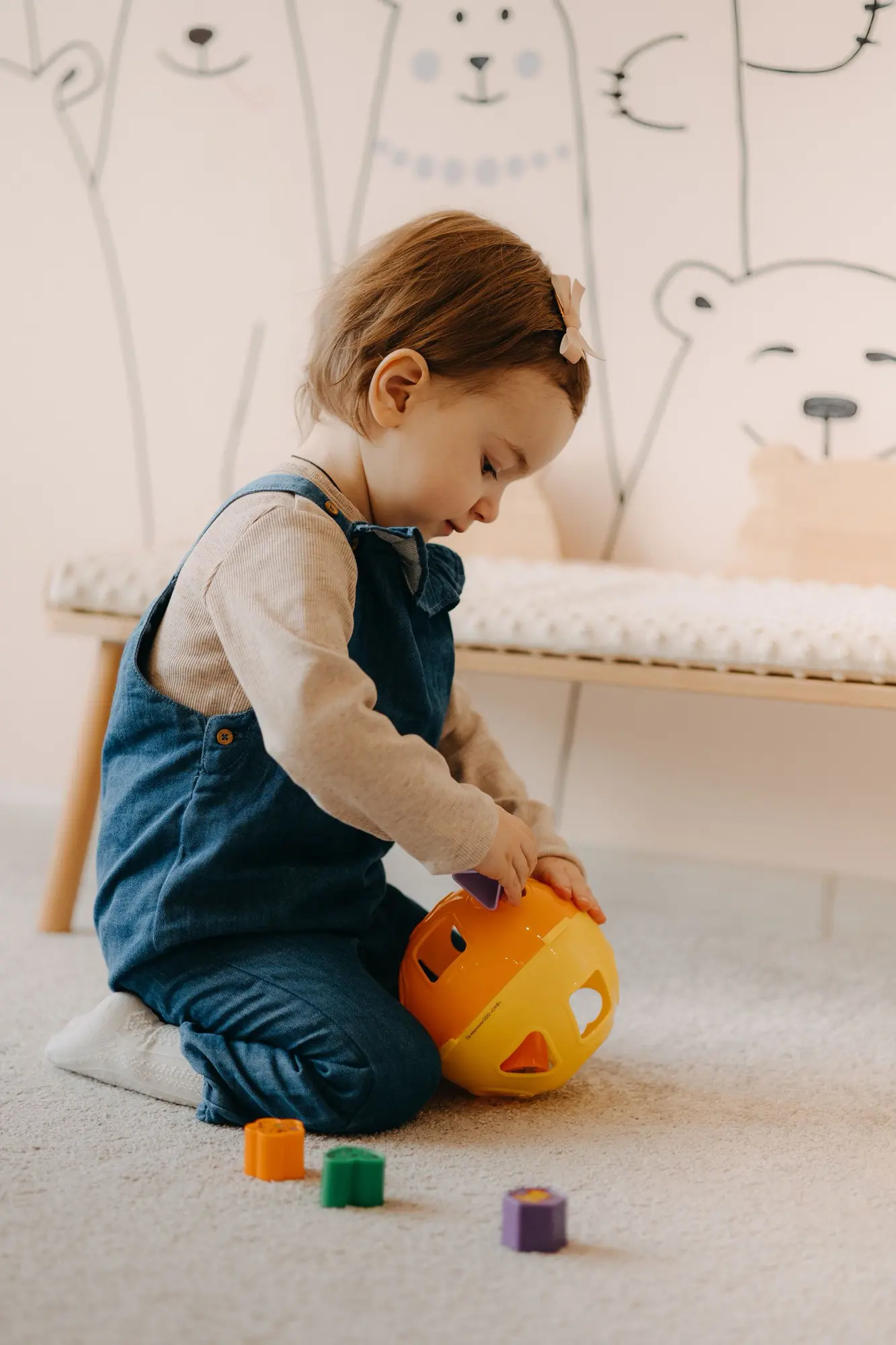
Children learn best through hands-on experience. Rather than memorising facts, they engage with materials that allow them to explore concepts physically and visually.
Each child develops at their own pace. There is no pressure to keep up with others or rush through milestones.
Independence is encouraged from an early age. Children are trusted to make choices, solve problems, and take responsibility for their learning.
Respect is central to everything. This includes respect for the child, for others, and for the learning environment.
What Does a Montessori Classroom Look Like?
A Montessori classroom is thoughtfully designed to support independence and curiosity.
You won’t find rows of desks or a teacher standing at the front delivering long lessons. Instead, the room is arranged into different learning areas such as practical life, sensory activities, maths, language, and cultural studies.
Materials are placed on low shelves so children can access them easily. Each item has a purpose and is often beautifully made, encouraging care and attention.
Children choose their activities based on interest, working alone or in small groups. The teacher, often referred to as a guide, observes closely and steps in when needed to introduce new concepts or offer support.
One of the most distinctive features is the mixed age grouping. Younger children learn by watching older ones, while older children reinforce their understanding by helping others. It creates a sense of community that feels both natural and nurturing.
Why Montessori Education Feels Different
For many parents, the difference becomes clear the moment they see it in action.
Montessori prioritises deep learning over quick results. A child might spend a long time mastering a single concept, but when they do, the understanding tends to stick.
There is also a noticeable focus on real life skills. Young children learn how to pour water, prepare snacks, tidy their space, and care for their surroundings. These tasks may seem simple, but they build confidence and independence in powerful ways.
Perhaps most importantly, children are given a sense of ownership over their education. Instead of being told what to do at every moment, they learn how to make thoughtful choices and follow their interests.
Why Is Montessori So Popular Today?
In a world that often feels fast paced and highly structured, Montessori offers something refreshingly different.
Many parents are seeking an alternative to traditional education that values creativity, emotional wellbeing, and individuality. Montessori ticks all of these boxes.
It also aligns with modern research in child development, which supports the idea that children learn best through active engagement rather than passive instruction.
Another factor is the growing awareness of mental health. Parents want their children to feel confident, capable, and supported rather than pressured or compared. Montessori’s emphasis on self paced learning and respect resonates strongly here.
Social media has also played a role. Beautifully organised Montessori inspired homes and classrooms have captured attention, but beyond the aesthetics, families are discovering a philosophy that genuinely works.
Is Montessori Right for Every Child?
Montessori can be a wonderful fit for many children, but like any educational approach, it is not one size fits all.
Some children thrive in the freedom and independence it offers, while others may prefer more structure and direct instruction. It often depends on personality, learning style, and what a family values most in education.
For parents considering Montessori, visiting a school or observing a classroom can be incredibly helpful. Seeing how children interact with the environment often says more than any brochure ever could.
Bringing Montessori Principles Into the Home
You don’t need to enrol in a Montessori school to benefit from its ideas.
Simple changes at home can make a meaningful difference. Creating child accessible spaces, encouraging independence in daily tasks, and allowing more freedom of choice are all great starting points.

Thoughts
Montessori education is not just a teaching method. It is a way of seeing children as capable, curious individuals who deserve respect and trust.
Its growing popularity is no surprise. In a time when many families are rethinking what education should look like, Montessori offers a gentle yet powerful alternative.
At its core, it asks a simple question that feels more relevant than ever. What happens when we truly trust children to learn?





Leave a Reply